
The Nature of Luck in Gambling
Luck is often regarded as a fundamental ingredient in the recipe for success in gambling. While skill and strategy are undeniably important, the element of chance can have a profound impact on the outcome of any gambling experience, especially when players enjoy online pokies australia real money that enhance their engagement. The unpredictability of luck means that even the most seasoned players can find themselves on either side of the winning spectrum, regardless of their expertise. This inherent randomness is what draws many individuals to gambling in the first place and fuels the excitement.
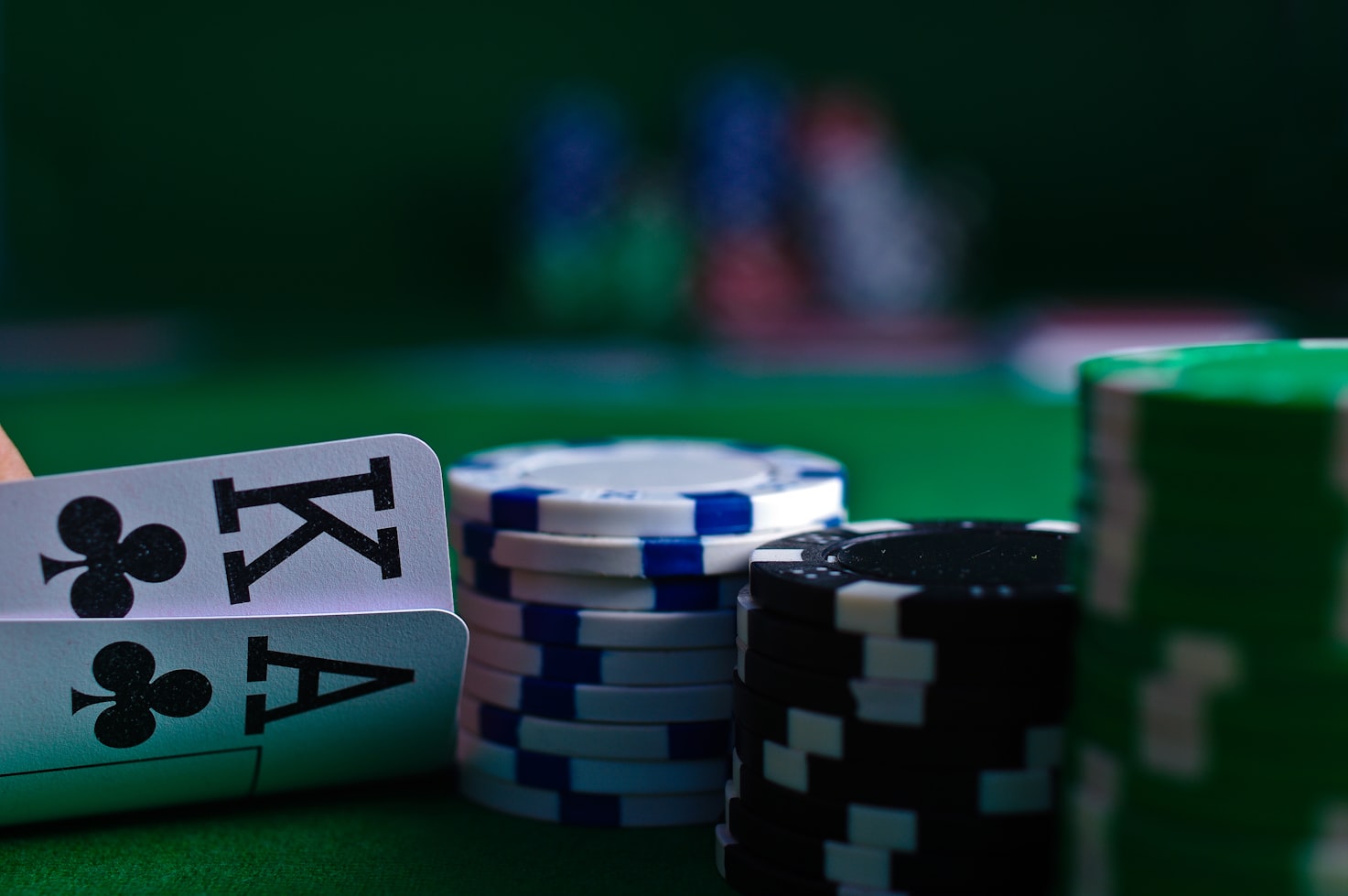
In the world of gambling, luck manifests itself in various ways. For instance, when playing games like poker or blackjack, a player’s hand can be significantly influenced by the cards drawn. A player may possess a wealth of strategies, but the cards they are dealt can ultimately dictate their success. This interplay between skill and luck creates an intriguing dynamic that keeps players engaged and hopeful, as they navigate the uncertainty of each game.
Moreover, luck is not just a fleeting moment; it can also create streaks that players often chase. Many gamblers believe they are on a lucky streak, which can lead to a more enjoyable experience, even if the odds are stacked against them. This psychological aspect of luck plays a crucial role in fostering an emotional connection to the game, making the experience about more than just winning or losing—it’s about riding the waves of fortune.
The Role of Probability in Gambling
Probability and luck are intertwined in the realm of gambling, highlighting the precarious balance that players must navigate. Each game comes with its own set of odds, which dictate the likelihood of winning. Understanding probability allows players to make informed decisions, yet it is important to remember that luck can disrupt even the most calculated strategies. Players who grasp the basics of probability may feel empowered, but they must also recognize that fortune doesn’t always favor the prepared.
The nature of gambling implies a delicate dance between calculated risk and reliance on luck. For example, in games like roulette, players can analyze past spins to inform their bets, yet the spinning wheel’s random nature means that past outcomes do not guarantee future results. This unpredictability is why many gamblers find themselves caught in a cycle of wagering, as they hope that luck will change in their favor, often leading to both thrilling victories and devastating losses.

Moreover, understanding the probabilities involved can illuminate how luck influences player experiences. In many cases, a player may encounter a series of fortunate events, leading them to believe that they have developed a winning strategy. However, the reality remains that luck can shift at any moment, and as history has shown, what goes up must eventually come down. This duality of luck and probability ensures that gambling remains an exhilarating and unpredictable pursuit.
The Psychological Impact of Luck on Gamblers
Luck has a significant psychological impact on gamblers, shaping their motivations and responses to both wins and losses. Many players experience a phenomenon known as the “gambler’s fallacy,” where they believe that past outcomes can influence future results, leading them to make irrational decisions. This cognitive bias highlights how the perception of luck can distort a player’s judgment, often resulting in increased bets during perceived lucky times, or more conservative play when luck seems to have abandoned them.
The excitement of a lucky win can also fuel a gambler’s desire to continue playing, creating a psychological cycle that can be hard to break. Winning triggers the release of dopamine, the brain’s feel-good chemical, making players crave that high. This connection between luck and emotion can lead to risky behaviors, as players chase further wins or attempt to recover from losses with desperate bets, often failing to recognize the role that luck plays in their outcomes.
In addition, the emotional rollercoaster that comes with gambling—characterized by highs of winning and lows of losing—can have long-lasting effects on mental health. Players may develop an attachment to the idea of luck, believing that they are “due” for a win. This fixation can have serious consequences, leading to compulsive gambling behaviors and a distorted relationship with money and risk-taking. Understanding these psychological implications is crucial for anyone involved in gambling, as it emphasizes the need for responsible play and awareness of one’s reliance on luck.
The Social Dimension of Luck in Gambling
Luck in gambling is not only a personal experience but also a social phenomenon that influences interactions among players. The camaraderie that develops in casinos and gaming rooms is often tied to shared experiences of luck—whether good or bad. Players frequently exchange tales of their most fortunate wins or lament their unlucky losses, creating a community united by the unpredictable tides of fortune. This social dimension adds depth to the gambling experience, demonstrating that luck can foster connections among individuals.
Furthermore, the concept of luck can also be influenced by cultural perspectives. Different societies may have varying beliefs around luck, affecting how individuals approach gambling. In some cultures, certain numbers or symbols are considered lucky or unlucky, which can shape betting behaviors. This intertwining of luck with culture adds a rich tapestry to gambling, as players bring their beliefs and traditions into the gaming environment, influencing how they perceive their own fortunes.
The social aspect of luck extends beyond personal interactions; it can also impact the dynamics of games themselves. For example, in poker, the presence of skilled players can heighten the tension around luck, as experienced individuals navigate the probabilities while relying on chance. The interactions at the table—bluffs, reads, and reactions—can all be informed by the luck experienced by players, making it a collective dance of chance that heightens excitement and engagement within the gambling community.
Finding Balance: Luck and Responsible Gambling
Recognizing the role of luck in gambling is vital for promoting responsible gaming practices. While luck can enhance the thrill of play, it can also lead to impulsive decisions and financial strain if not approached mindfully. Players must strive to understand their relationship with luck and set clear limits to ensure that they enjoy the entertainment value of gambling without falling prey to its potential pitfalls. This awareness is essential in cultivating a healthy attitude towards gambling.
Establishing boundaries can help players manage their expectations regarding luck. By acknowledging that luck is an unpredictable factor, individuals can temper their desire to gamble based solely on perceived fortunes. This mindset allows for a more enjoyable gambling experience, as players are less likely to chase losses or become overly attached to winning streaks. Implementing self-regulation strategies can make a significant difference in preserving both enjoyment and financial well-being.
In addition, many organizations and resources are dedicated to promoting responsible gambling by educating players about the influence of luck and providing tools for self-assessment. These initiatives aim to empower individuals to recognize the importance of balance in their gambling activities, helping them enjoy the excitement that comes from luck without compromising their financial health or emotional stability. By fostering a responsible approach, players can more effectively navigate the volatile nature of luck in the gambling landscape.